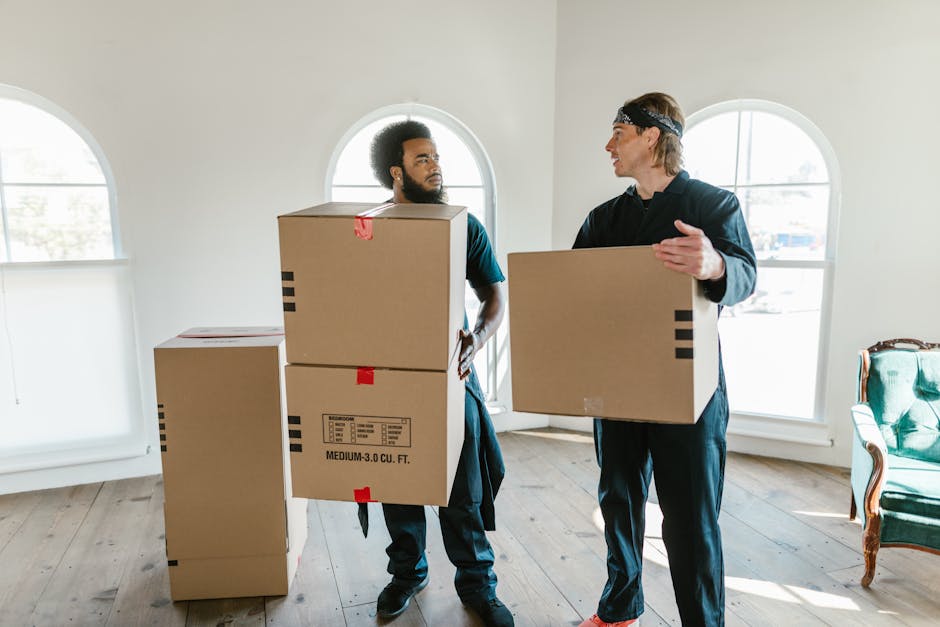
Wandle Park furniture removals in Colliers Wood: a practical local guide
If you are planning Wandle Park furniture removals in Colliers Wood, you are probably juggling a few things at once: access, timing, heavy lifting, and the simple worry of getting your furniture from A to B without damage. That is fair enough. A sofa is never just a sofa on moving day. It is the thing that does not fit through the doorway, the dining table with the scratch you already know too well, or the wardrobe you swore would be easier to disassemble. This guide walks you through the practical side of local furniture removals around Wandle Park, with clear advice on how it works, what to check, and how to make the whole process feel far less stressful.
Whether you are moving a single item, clearing a flat, or arranging a fuller household move near Colliers Wood, the right approach can save time, protect your furniture, and reduce those last-minute headaches nobody needs.
Why Wandle Park furniture removals in Colliers Wood matters
Local furniture removals matter because the difference between a smooth move and a painful one is often in the small details. Wandle Park and the wider Colliers Wood area can involve narrow roads, flats with limited parking, shared entrances, stairwells, and the usual London reality: somewhere for the van to stop is not always where you wish it could stop. If you do not plan around those details, even a short move can turn into a long day.
There is also the value of using a service that understands furniture as furniture, not just "items". A chest of drawers, a glass cabinet, or a bed frame each needs a different approach. Some pieces can be moved whole. Others need careful dismantling, wrapping, and reassembly. That sounds obvious, but in practice it is where many DIY moves go sideways.
For many households, this sort of move is not about relocating everything in one go. It might be a new sofa arriving, an old dining set being cleared out, or a spare room being emptied before a renovation. In those moments, a dependable furniture removals service can be the sensible middle ground between doing everything yourself and booking a full-scale house move. If you need broader support, you may also find removals or man and van options more appropriate depending on the size of the job.
Expert summary: Furniture removals are usually easiest when the job is planned around access, item size, protection, and the final destination. A simple move becomes much easier with those four things sorted early.
How Wandle Park furniture removals in Colliers Wood works
Most local furniture removals follow a fairly simple pattern, even if the details vary. First, you describe what needs moving. Then the mover assesses access, timing, and the type of furniture involved. After that, the job is scheduled, the furniture is protected, and the items are loaded, transported, and placed where you need them. Easy to say, slightly less easy to do on a wet Tuesday with a wardrobe that has opinions about doorframes.
In practical terms, a good move usually starts with a quick inventory. The mover needs to know whether there are stairs, lifts, tight hallways, parking restrictions, or items that must be dismantled. It is also helpful to say if anything is delicate, unusually heavy, or awkwardly shaped. A marble table top is a very different proposition from a lightweight bookcase.
For smaller jobs, a vehicle from the removal van or man with van type service may be enough. For larger or more complex moves, you may need a moving truck or a broader removal services package. The right fit depends on volume, fragility, and how much help you want with lifting and loading.
Good movers will also ask whether items need wrapping or padding, whether anything should be stored temporarily, and whether you need disposal support for unwanted pieces. If you are clearing out an old room before a refit, the answer is often yes. If you are simply moving two chairs and a sideboard, the answer may be no. Not every move needs the same level of service, and honestly that is a relief.
Key benefits and practical advantages
Choosing a local furniture removal service in the Wandle Park and Colliers Wood area brings a few practical advantages that are easy to miss until you need them. The main one is proximity. When a team knows the local roads, likely parking pinch points, and the typical access quirks of nearby properties, they can plan more accurately and usually waste less time getting started.
Another advantage is reduced risk to your furniture. Good removal work is about handling, not brute force. Items are protected before they are moved, corners are wrapped, and lifting is done with the right number of hands. That matters for household pieces with sentimental value as much as for expensive items. Truth be told, the sentimental ones are often the ones people worry about most.
You also gain flexibility. Furniture removals are often more adaptable than a full move. Need to shift a wardrobe today and a sofa tomorrow? That is often much easier to arrange than trying to bundle everything into one life-admin marathon. If you are between homes, it can also make sense to use storage while you wait for keys, decoration work, or final access at the new place.
There is a sustainability angle too. Reusing, relocating, or responsibly removing furniture is usually better than rushing into replacement. If items can be kept in circulation, repaired, or recycled appropriately, that is often the cleaner option. For readers who care about that side of things, the company's recycling and sustainability approach is worth considering alongside the move itself.
Who this is for and when it makes sense
This kind of service suits more people than you might think. It is not only for families moving house. In the real world, furniture removals in Colliers Wood are often booked by tenants, landlords, students, homeowners, and local businesses with one or two items that need careful transport.
It makes sense if you have:
- large or heavy furniture that is awkward to carry safely
- items that need disassembly and reassembly
- limited access, such as stairs, narrow hallways, or no lift
- only a small number of items to move
- furniture to collect from a shop, storage unit, or another property
- a deadline, such as end-of-tenancy, sale completion, or renovation work
It is also a sensible choice when you simply do not want the strain. Let's face it: moving a sofa on your own sounds manageable until you are actually halfway through the front door and questioning every life decision that led to this point.
If your move is part of a bigger home transition, you may want to look at home moves or house removals instead. For flat residents, especially where stairs and shared access are part of daily life, flat removals can be the better match.
Step-by-step guidance
If you want the move to go smoothly, it helps to think of it in stages. Here is the practical version.
- List every item clearly. Write down what is moving, where it is going, and whether it needs dismantling. A quick room-by-room list often works best.
- Check access at both ends. Measure doorways, note stair counts, and think about where a van can safely stop. This is where people often underestimate things.
- Decide what must be wrapped or protected. Glass, polished wood, upholstery, mirrors, and anything with loose fittings should be protected properly.
- Book the right type of help. A small furniture pickup may only need a furniture pick up service, while a fuller load may need a larger moving vehicle or a more comprehensive removals arrangement.
- Prepare the furniture beforehand. Empty drawers, remove loose shelves, tape small fittings into labelled bags, and unplug any connected equipment.
- Set a sensible route inside the property. Clear rugs, shoes, plants, and anything that can catch a foot or wheel. The best move is the one where nobody has to dodge clutter.
- Confirm timing and arrival details. A little coordination goes a long way. If parking is tight or the property has entry controls, make sure those details are shared in advance.
- Inspect items once delivered. Check for damage, missing parts, or anything that needs reassembly before the team leaves, if possible.
A good rule of thumb: the more awkward the item, the more useful preparation becomes. A bulky wardrobe can feel simple right up until you are trying to angle it through a narrow landing. Then the physics become very real, very fast.
Expert tips for better results
Over the years, the best furniture moves tend to have a few things in common. They are not glamorous things, either. They are the boring-but-useful bits that save time and trouble.
Tip 1: Take photos before disassembly. If a bed frame, table, or shelving unit must come apart, photos of how it was assembled are worth their weight in gold later. One rushed evening can otherwise become a screw-finding expedition the next morning.
Tip 2: Use labels on hardware bags. "Wardrobe left side" is better than "random bolts". You will thank yourself later. Probably with tea.
Tip 3: Protect corners first. Furniture damage often happens at the edges, not the middle. Blankets, pads, or wrapping around corners can make a bigger difference than people expect.
Tip 4: Be honest about awkward access. If a stairwell is tight or the lift is tiny, say so early. No mover enjoys a surprise staircase. Nobody does.
Tip 5: Think about the destination room. It is easier to place items correctly during delivery than to shift them around later. If the sofa needs to go upstairs, say that. If the dining table must stay wrapped until decorating is complete, say that too.
Tip 6: Don't leave packing until the mover arrives. For jobs that include multiple bits and pieces, support services such as packing and boxes or packing and unpacking services can make the day much calmer.
One slightly human truth here: a move always looks more organised in your head than it does on the pavement. That is normal. The trick is reducing the gap between the two.
Common mistakes to avoid
A lot of problems in furniture removals come from simple misjudgements rather than dramatic disasters. Small errors stack up. Then suddenly the day feels harder than it should.
- Underestimating item size. A sofa can be wider than the hallway it came through last time. It happens more than people admit.
- Forgetting about access restrictions. Parking, loading zones, height limits, and timed entry can all affect the job.
- Leaving furniture full. Drawers and cabinets should usually be emptied before moving. It reduces weight and stops contents shifting around.
- Not checking whether items need dismantling. Some furniture can be moved intact, but not all of it. Beds and wardrobes often need attention first.
- Failing to separate fragile parts. Glass shelves, mirrors, and loose legs should be protected and labelled carefully.
- Booking the wrong service size. A tiny job does not need a huge truck. A larger job does not want to be squeezed into something too small. The middle ground matters.
There is also a tendency to focus only on the move itself and not on the paperwork around it. For commercial customers, or anyone booking a recurring service, it is worth checking the terms and conditions and payment and security information so expectations are clear before the day arrives.
Tools, resources and recommendations
You do not need a shed full of specialist kit to organise a good furniture removal, but a few tools make a real difference. Most of these are basic, yet they save time and reduce stress.
- Measuring tape for doors, hallways, and furniture dimensions
- Blankets or protective covers for polished or upholstered pieces
- Strong tape and marker pens for labelling parts and hardware
- Zip bags or small containers for screws, brackets, and fittings
- Basic screwdriver set for minor dismantling
- Gloves with grip for safe handling
- Trolley or dolly for heavier items, if suitable
On the service side, the most useful choices are the ones that match the job rather than the fanciest option. A smaller pickup might suit man with a van support. A bigger clear-out might fit a more structured removal companies approach. If the job is urgent, you may want same day removals. If you are moving a tricky item like a keyboard or upright, piano removals shows how specialised handling can matter for delicate heavy items too, even if your own job is less dramatic.
For businesses, commercial moves and office removals are useful references when furniture is part of a wider operational shift. Not every job is domestic, and that distinction matters more than it first appears.
Law, compliance, standards, or best practice
Furniture removals do not usually involve complicated legal processes, but there are still sensible standards to follow. In the UK, safe lifting practice, proper insurance, and honest communication about access and weight are basic expectations. If a mover is handling your furniture, it is reasonable to ask how they protect items, how they manage loading, and whether they have suitable cover.
It is also worth checking that any waste or unwanted furniture is managed responsibly. If items are being removed for disposal rather than relocation, they should be handled in line with environmental best practice. In practical terms, that means recycling or re-use where possible and avoiding careless dumping. Nobody wants their old wardrobe becoming someone else's problem in a field somewhere. Not exactly the legacy most people are after.
Health and safety matters too. If you are lifting yourself, take the weight seriously. Twisting while carrying a heavy object is a common way people hurt themselves. Keep routes clear, wear proper footwear, and do not be stubborn about asking for help. It is better to pause for ten seconds than spend two weeks regretting it.
If you want reassurance on the mover's approach, review the business's insurance and safety information and its health and safety policy. Those pages help set expectations about how a professional service should operate.
Options, methods, or comparison table
Different move types call for different levels of support. Here is a simple comparison to help you choose.
| Option | Best for | Strengths | Possible drawbacks |
|---|---|---|---|
| DIY move | Very small, light furniture and short distances | Lowest direct cost, full control over timing | More physical strain, higher chance of damage, harder with bulky items |
| Man and van | Single items, small flat clearances, local deliveries | Flexible, practical, usually cost-effective | May not suit very large or complex loads |
| Removal van / truck | Multiple items or heavier furniture | More capacity, better for awkward loads | May feel excessive for tiny jobs |
| Full removals service | House moves, complex access, larger volumes | Broader support, less stress, more efficient handling | Usually more expensive than a small pickup |
| Storage plus removals | Delayed move-in dates or refurbishment gaps | Helps bridge timing gaps and avoids clutter | Additional planning needed |
If you are unsure which route is right, it is often better to start with the size of the items and the access conditions. Everything else comes after that. A cheap option that cannot safely handle the job is not actually cheap, is it?
Case study or real-world example
Here is a realistic example. A couple in Colliers Wood needed to move a sofa, a dining table, four chairs, and a bed frame from a top-floor flat near Wandle Park into a nearby house. The access at the flat was tight, and the stairwell had a bend halfway down, which meant the sofa could not simply be carried out in one straight line.
Instead of forcing it, the furniture was checked in advance, the bed frame was dismantled, and the sofa was measured against the hallway and stair turns before collection day. The move was split into a couple of manageable loads, and the fragile dining table top was wrapped separately. The result was not dramatic, which is exactly the point. Everything arrived in one piece, nobody had to improvise in the stairwell, and the job finished far sooner than it would have done with guesswork.
That sort of example comes up a lot. The biggest wins are usually boring ones: accurate measurements, clear instructions, and a vehicle that suits the job. A bit of planning really does save a lot of groaning later on.
For moves like this, people often combine furniture removals with light packing and unpacking services or short-term storage if the new home is not ready yet. That flexibility is often what keeps the whole process calm.
Practical checklist
Use this quick checklist before moving day. It is simple, but it catches the usual oversights.
- Measure every large item
- Check door widths, stair turns, and lift sizes
- Confirm where the vehicle can stop
- Empty drawers, shelves, and cabinets
- Bag and label screws, bolts, and fittings
- Protect glass, mirrors, and polished surfaces
- Decide which items need dismantling
- Clear hallways, entrances, and landings
- Tell the mover about fragile or heavy pieces
- Check the destination room before delivery starts
- Keep water, keys, and phone access easy to hand
- Review any terms, timing, and payment details in advance
If you want a broader move plan, the same preparation style works for house removalists, student removals, and even smaller jobs where speed matters more than scale. The categories change, but the fundamentals do not.
Conclusion
Wandle Park furniture removals in Colliers Wood are easiest when they are treated as a practical logistics job, not just a lift-and-shift exercise. Know what is moving, measure access properly, protect the furniture, and choose the level of help that matches the real size of the task. That is the whole game, really.
Whether you are moving one awkward item or clearing several pieces before a bigger transition, a calm and well-prepared approach will almost always save time and reduce stress. And if you are in a hurry, it is still better to slow down for five minutes and get the plan right than to rush into a messy solution. You will notice the difference very quickly.
Get a free quote today and see how much you can save.
One last thought: a good move should feel like progress, not punishment. If you prepare properly, it can.
Frequently Asked Questions
What counts as furniture removals in Wandle Park and Colliers Wood?
Furniture removals usually cover the transport of household or office furniture such as sofas, beds, wardrobes, tables, chairs, cabinets, and similar items. It can mean a single item or a full room clearance, depending on what you need.
Do I need to dismantle furniture before the move?
Not always, but it is often helpful for beds, wardrobes, and larger shelving units. If an item can safely fit through doors and stairways intact, it may not need dismantling. The safest approach is to check access first and decide from there.
Is a man and van service enough for a small furniture job?
Often, yes. A man and van or similar small-load option can be a sensible fit for one or two items, especially locally. The main thing is making sure the vehicle size and lifting help match the furniture involved.
What if I only need one item moved?
That is very common. A single sofa, bed, wardrobe, or table can usually be handled through a focused furniture pick up or similar service. Smaller moves are often the most time-sensitive, so clear details help a lot.
How can I protect fragile furniture during transport?
Use padding, blankets, or wrapping on vulnerable edges and surfaces. Glass, mirrors, and polished wood deserve extra care. It also helps to separate loose parts, bag hardware, and label each item clearly so nothing gets lost in the shuffle.
What should I tell the mover before the job?
Share the item list, access details, whether there are stairs or lifts, any parking restrictions, and whether items need dismantling. If anything is unusually heavy or delicate, mention that as well. The more accurate the information, the smoother the day tends to go.
Can furniture be stored if I am not ready for delivery yet?
Yes, temporary storage can be helpful if there is a delay between collection and final delivery. This is especially useful during renovations, completion delays, or move-in gaps.
What is the difference between furniture removals and house removals?
Furniture removals focus on selected items, while house removals usually involve a full property move with more belongings, more coordination, and often a bigger vehicle or team.
Are same-day furniture removals possible?
Sometimes, yes. It depends on availability, the size of the job, and how straightforward the access is. If time is tight, same day removals may be the right direction, but it is best to enquire early.
How do I know whether I need a van or a truck?
A van is often enough for smaller loads and a few pieces of furniture. A truck makes more sense for multiple items, larger furniture, or jobs that involve extra space for padding and safer loading. The item list usually tells you the answer faster than anything else.
Can office furniture be moved the same way as home furniture?
Sometimes, but not always. Office furniture can include desks, filing cabinets, screens, and heavier storage units, so planning matters. For business moves, office relocation services or commercial moves are often more suitable.
What should I do if my furniture has special handling needs?
Tell the mover in advance and be specific. Mention if an item is fragile, oversized, antique, or difficult to dismantle. Special handling may call for extra wrapping, more lifting support, or a different vehicle setup altogether. Better to say too much than too little, to be fair.
How can I compare different removal options?
Start with the size of the furniture, the access at both ends, and how much help you need with lifting or assembly. Then compare the service style, vehicle type, and whether you need extras such as wrapping, storage, or unpacking support. A good comparison is practical, not just price-based.