Man With A Van in Colliers Wood

Our man with a van in Colliers Wood service is set up for straightforward local moves, transport jobs and item collections that need careful handling rather than a full-scale removals team. We move household pieces, boxed belongings, furniture and mixed loads with attention to access, loading order and safe transit. For customers who want a practical option for smaller home moves or business deliveries, it offers a clear way to get items from A to B without unnecessary complication.
At its simplest, this is a flexible transport service with help at both ends. We can support jobs that involve one bulky item, several rooms’ worth of smaller possessions, or a planned move where timing and loading need to be kept sensible. The value for many customers lies in having one vehicle, one coordinated load and one clear plan rather than trying to manage a move piecemeal. If you are comparing options, you can start with the core man and van service and decide whether your job fits a lighter move, a mixed collection or something more structured.
Because every load is different, it helps to think about what must travel, what needs protection and what access is involved. A van move can be the right choice for flats, shared homes, student rooms, partial clearances and deliveries where a large removals crew would be more than you need. For a fuller breakdown of typical pricing factors and the kind of details that influence a job, take a look at our pricing and quotes information before you request a quotation.
Flexible transport for home moves and collections
A well-planned van move is often about making the load efficient as much as making it quick. We can assist with furniture, white goods, boxes, bags, sports equipment and other household items that need to be carried, protected and arranged properly in the vehicle. When items vary in size, the order of loading matters, so heavier pieces can sit securely while more delicate belongings stay protected around them. That approach helps keep the move tidy and controlled.
For customers arranging a small or medium home move, the service can sit somewhere between doing everything yourself and booking a full removals package. It is useful where access is fairly simple, the volume is manageable and the main need is hands-on transport rather than a large team. If you want a more household-focused option, our home moves page explains the kind of domestic work that sits alongside this service and how it may suit a lighter move.
What usually fits this kind of job
Typical jobs include single-item furniture collections, partial room moves, student moves, appliance transport and local deliveries for domestic belongings. Some customers also use a van service for temporary transfers while decorating, refurbishing or waiting for a larger move date. It can be a sensible choice where items are ready to load and the main requirement is safe movement rather than dismantling extensive furnishings or managing a long packing schedule. Keep the enquiry clear and practical, and we can work from that.
Domestic removals, room moves and household loads

When a job is more than a single collection, our van-based removals support can cover multiple rooms of household effects in one trip or in a small number of coordinated runs. That may include furniture, kitchen items, boxed belongings and soft furnishings, with attention to stacking order and secure placement. If you need a more structured domestic removals option, our house removals page covers the broader home-moving side of the work in more detail.
Some customers prefer a service that is still personal and adaptable but has enough support for furniture movement, loading and transport to be more manageable than hiring a vehicle alone. This is where a van-led approach can be especially useful. It keeps the move direct, avoids unnecessary handling and allows the work to be matched to the amount of property involved. Where the job sits between a light move and a larger household relocation, the house movers page may also help you understand the practical scope.
We aim to make the process straightforward by dealing with the physical transport side while you keep control of what is going and when. For many domestic customers, the main decision is simply whether the job is best treated as a small, partial or full house move. If you are unsure, a concise quotation request that describes the rooms, items and access points is usually enough to begin shaping the right plan. Clear information makes the quote more accurate, and it also helps avoid any last-minute surprises on the day.
Packing support, loading order and practical preparation
Good preparation makes a van move smoother without turning it into a complicated project. Boxes should be sealed, loose items grouped together and fragile pieces kept separate from heavy, hard-wearing loads. If you are moving furniture, it helps to think about which pieces may need to be dismantled or wrapped before loading. This is also the point where a simple list of what is travelling can be useful, especially if the job includes mixed household or office items.
For some customers, a little help with wrapping, stacking or unpacking is enough to turn an awkward move into a manageable one. Our packing and unpacking services page explains the sort of support that can sit alongside transport when the job needs more care at either end. That can be especially relevant for breakable items, closely packed rooms or moves where time is tight and the load has to be kept orderly from the beginning.
- Group similar items together before the move.
- Keep fragile pieces clearly separated from heavy goods.
- Make access points easy to use wherever possible.
- Label boxes if several rooms are being moved.
Furniture, appliances and one-off collections
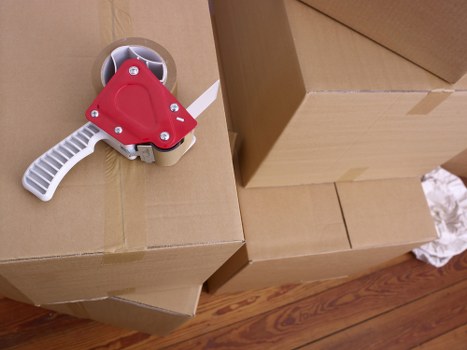
Our service is also suitable for items that are awkward to move alone but do not justify booking a larger removal operation. Sofas, wardrobes, desks, beds, washing machines and similar pieces can often be handled more efficiently with a van and practical lifting support. Where the item is particularly bulky, measuring doorways and planning the route in advance can make the difference between a straightforward collection and unnecessary delay. That is part of why a smaller, focused service can be useful.
If your requirement is mainly a collection rather than a move, the job may still need care over timing and access. Furniture bought second-hand, items collected from storage or products delivered to a property all benefit from secure loading and sensible transport. For stand-alone pick-ups, our furniture pick-up page sets out how that type of collection sits within our wider moving work. It is often the right choice where you need one item or a few pieces transported with minimal fuss.
Not every collection is simply about carrying the object from one place to another. Sometimes the main challenge is getting the item out of a property, through communal areas or down narrow access routes without damage. In those cases, a careful load plan matters as much as the vehicle itself. We can help keep the process measured and sensible, with the practical work focused on the item, the access and the destination rather than on unnecessary extras.
Office moves, business deliveries and light commercial transport
Although many enquiries are domestic, a van service can also support small business moves and office transport where the load is compact and needs to be moved with care. Office chairs, desks, boxed files, stock, displays and small equipment can be transported in a way that keeps the work efficient and controlled. For a fuller business-moving option, our office removals page covers the broader scope of office relocation work.

Commercial jobs often depend on being organised around access windows, building rules and the sequence in which items are loaded and unloaded. A lighter van move can be useful when a business wants to relocate equipment or deliver stock without arranging a large lorry. If the task is part of a wider business change, the commercial moves page gives a more suitable view of the kind of support available for workplace transport and moving plans.
How we approach loading, access and handling
Every move works better when the loading order is thought through in advance. Heavier pieces are generally placed to create a stable base, and lighter or more delicate items are kept where they can be secured properly. That approach helps reduce movement in transit and makes unloading more efficient. A practical van service should feel orderly, not rushed, with attention paid to the shape of the load and the sequence of items coming off the vehicle.
Access can also shape how the job is handled. Narrow hallways, staircases, shared entrances, parking restrictions and longer carrying distances all affect the pace of the move. Rather than treating these as problems, it is better to include them in the plan from the start. If you are comparing broader moving options, our moving van page offers another way to think about vehicle-led transport when the focus is on the load and the route rather than a large removal team.
When a move is well matched to the vehicle size, it is usually easier to keep the day calm and efficient. That is why concise information about furniture dimensions, floor levels and access details is helpful when you request a quotation. It does not need to be complicated. A clear description of what needs moving and where it is going is often enough to shape a sensible response.
About Colliers Wood
Colliers Wood is a district in the London Borough of Merton, in south-west London, centred on the northern side of the River Wandle. The area is closely associated with the river valley and with the development of settlement around transport routes and industry in the nineteenth century. Its name is generally linked to charcoal burning and woodland activity in earlier periods, although the landscape around it changed markedly as London expanded. Today, the district sits within a dense urban pattern of streets, shops and residential roads, but traces of its earlier history remain in the layout of the place and in surviving historic buildings. One of the best-known local landmarks is Merton Abbey Mills, a site connected with former textile and printing industries, which now functions as a craft and visitor destination. Nearby, the Wandle Trail follows the course of the river and provides a green corridor through parts of south London, linking open space, waterways and remnants of industrial heritage. The Colliers Wood area is also known for its commercial centre around the high street and for the Underground station on the Northern line, which helped shape modern growth and accessibility. Public green space such as Wandle Park contributes to the local character, offering a contrast between busy roads and quieter riverside areas. The district’s built environment includes a mix of Victorian and later housing, retail development and post-war changes, reflecting the successive layers of London’s expansion rather than a single architectural period.
Choosing the right van move for your job
Some customers only need transport for one item, while others want help with a partial house move, office relocation or a collection spread across several stops. The right option depends on the size of the load, the level of handling required and how much coordination the job needs. A van-based service is especially useful when the task is substantial enough to warrant help, but not so large that a full removals operation would be necessary. In practical terms, that can save both time and hassle.
If you are trying to decide between a light move and a more specific removals service, it can help to look at the job in terms of access, furniture type and how many items are involved. Our removal services page gives a broader overview of the kinds of moving tasks that can sit around a van-led job, while removals offers a simple route into the wider range of transport and moving support available.
There is no need to overstate the job when you enquire. A practical summary is better than a vague one: what needs moving, from where, to where, and whether any items are fragile, awkward or especially heavy. That gives a stronger starting point for a quotation and helps keep expectations clear on both sides. Specifics matter more than sales language.
Planning a quotation and booking the work

When you ask for a quotation, the most useful details are usually the type and number of items, the collection and delivery points, the floor levels involved and any restrictions on parking or access. If you know whether furniture needs dismantling, whether fragile items need extra care and whether the move involves a single journey or several stops, include that too. A well-described enquiry allows the job to be assessed properly without unnecessary back and forth.
If you are still comparing options, you may find it useful to look at our man and van removals page for a slightly broader view of move support, or at movers if you want to understand the overall service landscape before deciding. These pages can help you match the scale of the work to the service you need, especially where the move includes a mix of household items, furniture and transport-only tasks.
For a direct enquiry, the final step is simple: tell us what needs moving and ask for a quotation. If the job is straightforward, that may be enough to get things moving. If it is more involved, a short written summary is still a good starting point because it helps ensure the plan, the vehicle and the handling all suit the work in hand.